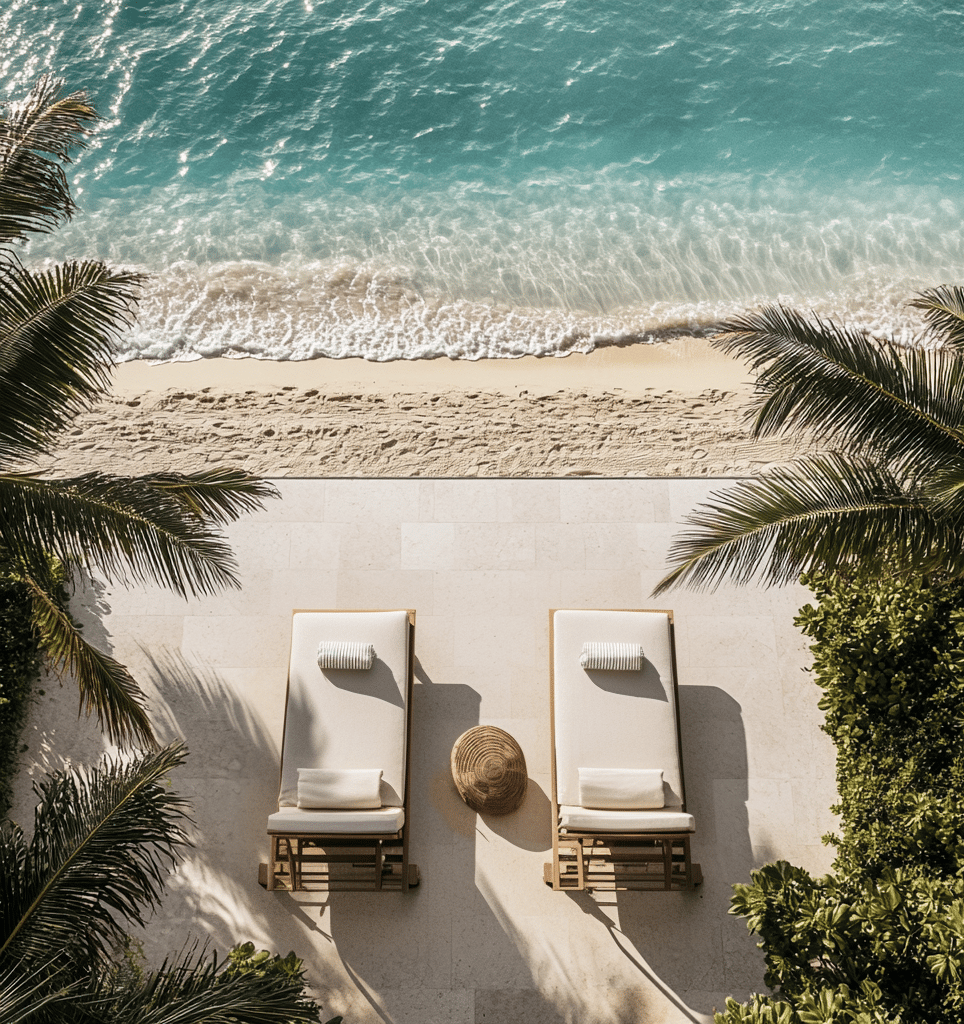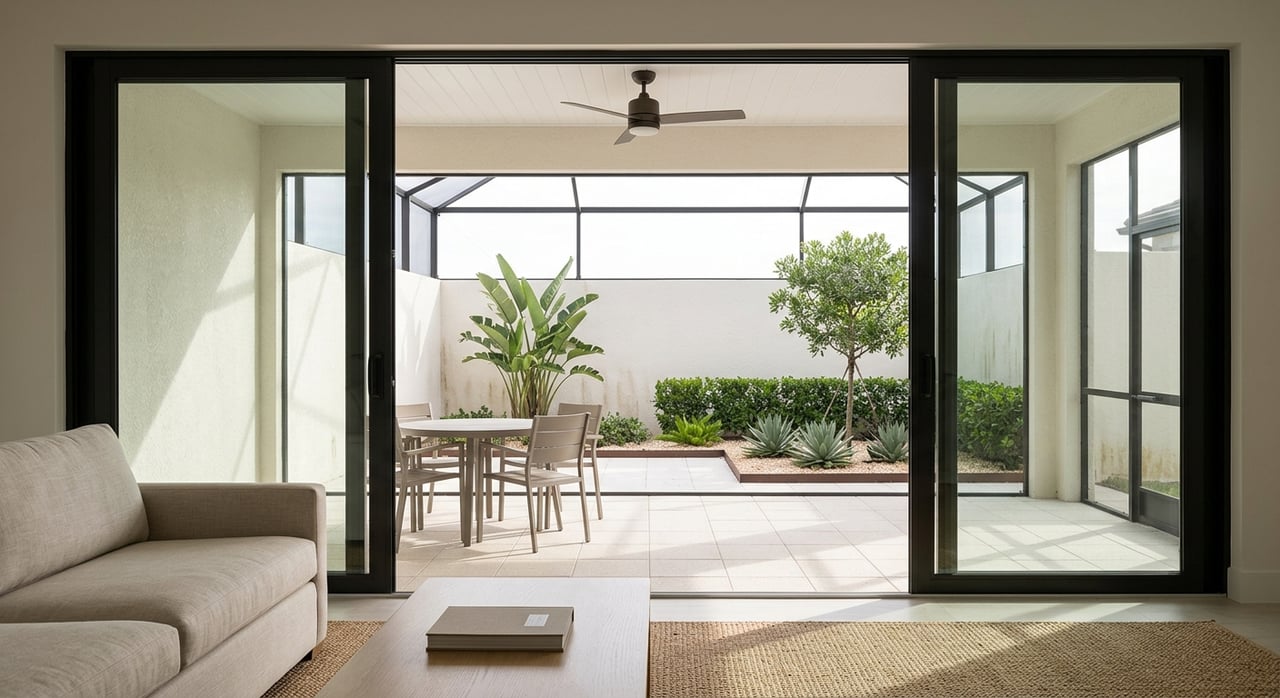
Trying to decide between Venice Island and the mainland? You are not alone. Many buyers love Venice for its beaches, downtown charm, and coastal lifestyle, but the right fit often comes down to how you want to live day to day, how much space you need, and what tradeoffs you are comfortable making. This guide will help you compare both sides of Venice in a practical way so you can narrow your search with more confidence. Let’s dive in.
Venice Island vs Mainland at a Glance
If you want a quick rule of thumb, start here: Venice Island tends to suit buyers who prioritize walkability, beach access, downtown convenience, and historic character. The mainland often makes more sense if you want more space, newer construction, and a wider range of neighborhood options.
That does not mean one side is better than the other. It means each side supports a different daily lifestyle. The best choice usually becomes clearer once you compare your priorities around location, home style, rules, and weather-related planning.
Venice Island Daily Lifestyle
Venice Island is the historic core of the city. The City of Venice describes downtown as a place lined with restaurants, boutiques, and unique shops, with Centennial Park in the center and Venice Beach at the west end of West Venice Avenue.
That layout creates a more compact, connected feel than a typical suburban area. Venice is also recognized by the city as a Trail Town, which reinforces the island’s pedestrian-friendly character and gives you easier access to walking, biking, and everyday services.
The island also has a stronger event atmosphere. Downtown Venice hosts special events and craft festivals, and Centennial Park includes pedestrian walkways, a splash pad, a kiosk, and limited 3-hour parking, which adds to the active, social rhythm of the area.
What island living often means
- Easier access to downtown shops and restaurants
- Closer access to Venice Beach and the fishing pier
- A more walkable and bike-friendly daily routine
- Older homes and condos with more architectural character
- Tighter parking and denser surroundings in some areas
If you picture yourself walking to coffee, heading to the beach regularly, or enjoying being near events and activity, the island may feel like a natural fit.
Mainland Daily Lifestyle
The mainland offers a different kind of convenience. According to the city’s Development and Growth Fact Sheet, much of Venice’s growth is focused in defined annexation and development areas, especially along Knights Trail Road and Laurel Road west of I-75.
In practical terms, that suggests the mainland is where you are more likely to encounter newer development patterns and more subdivision-style neighborhoods. Not every mainland area is new, but the growth pattern points to broader housing choice and more room for expansion.
This side of Venice is usually more car-oriented. You may drive a bit more for beach trips, downtown dining, or community events, but you often gain more flexibility in home size, layout, and neighborhood style.
What mainland living often means
- More opportunities to consider newer homes
- Greater variety in neighborhood layout and housing style
- A more drive-based daily routine
- More room to prioritize square footage or newer finishes
- Access to Venice amenities without living in the historic core
If your top priorities are space, newness, and neighborhood variety, the mainland may give you more options that fit your budget and lifestyle.
Housing Style and Character
Venice Island Homes
On Venice Island, the housing mix is shaped by history and city design controls. The City of Venice notes that properties in the Historic Venice District and Venetian Theme District may be subject to review for alterations, additions, restoration, demolition, and new construction.
For you as a buyer, that often translates into a housing stock with more personality and age. You may find cottages, historic homes, condominiums, and multifamily buildings closer to downtown and the beach, with a stronger sense of place than in a newer planned community.
That character can be a major draw, but it also means you should look closely at property condition, renovation flexibility, and long-term upkeep. If charm matters to you, the island can be compelling, but it helps to go in with clear expectations.
Mainland Homes
On the mainland, the city’s growth pattern aligns more often with contemporary residential product. Depending on the neighborhood, that can include newer single-family homes, villas, and townhome-style communities.
The exact mix varies by area, so it is important not to assume all mainland inventory looks the same. Still, if you want a more modern floor plan, newer systems, or a community-style layout, the mainland will often give you more of those choices.
Budget and Value Tradeoffs
One of the biggest decision points is what you are really paying for. On Venice Island, buyers are often paying a premium for location, walkability, and proximity to the beach and downtown amenities.
On the mainland, buyers are often trading some of that convenience for more space, newer construction, and a broader set of neighborhood options. Neither approach is wrong. It simply depends on whether your highest value is tied to lifestyle access or to the home itself.
A valuation-minded approach can help here. Instead of asking only, “Which side is cheaper?” it is smarter to ask, “Which side gives me the features I will use most?” That question usually leads to a better long-term decision.
HOA, Condo, and Review Rules
This is where many buyers need to slow down and read carefully. In Venice, you may be dealing with one or more layers of property rules depending on what and where you buy.
Florida condominiums are governed under Chapter 718, and condo owners have rights and responsibilities related to budgets, meetings, records, common expenses, and notices involving special assessments, structural integrity reserve studies, or milestone inspection reports. If you are considering a condo, these documents matter.
Florida homeowners associations are governed under Chapter 720. In HOA communities, membership is mandatory where the community is subject to a declaration of covenants, and associations can collect assessments, enforce rules, and in some cases control architectural changes.
Why this matters in Venice
A common assumption is that a mainland single-family home has fewer restrictions than an island condo. That is not always true. Many mainland communities still have dues, rules, and review processes.
On Venice Island, some properties may have an additional layer of city review if they are in the Historic Venice District or Venetian Theme District. If you are thinking about exterior updates or future renovations, you should review both association documents and any applicable city requirements before moving forward.
A smart document checklist
Before you commit to any property, review:
- HOA or condo budgets
- Current dues and fee history
- Rules for exterior changes or rentals
- Special assessment history or pending notices
- Any historic-district or architectural-review requirements
Flood, Hurricane, and Evacuation Planning
This topic deserves real attention, whether you buy on the island or the mainland. The City of Venice states that every location in Florida is in a flood zone, with differences based on degree of risk, and that evacuation levels are based on storm surge zones, not flood zones.
For island buyers, coastal exposure is a major consideration. The city’s hurricane guidance states that the island of Venice cannot host an evacuation center because of its low elevation and coastal proximity.
That does not mean the mainland is risk-free. It does mean island buyers should be especially careful about a property’s flood-zone designation, likely insurance costs, and practical evacuation planning.
Questions to ask before you buy
- What flood zone is this property in?
- What is the current insurance picture?
- Is the property in an area with added storm-surge concerns?
- What is the evacuation plan for this location?
- How comfortable are you with weather-related maintenance and planning?
The lifestyle upside of the island is easy to see. Venice Beach offers free parking, lifeguards, and Breeze bus service, and the island also includes the fishing pier and downtown pedestrian access. Still, the same coastal setting that makes island living attractive also brings added planning and property-care considerations.
How to Choose Based on Your Priorities
If you are still deciding, use your daily habits as the tie-breaker. Your best choice is usually the one that fits how you actually want to spend your time, not just the one that looks good in photos.
Choose Venice Island if you want:
- Walkability to downtown amenities
- Easy beach access
- Historic character and a more established setting
- A lively, event-oriented environment
- A home base that feels connected and compact
You may need to be more comfortable with older housing stock, tighter parking, condo or association rules, and more detailed flood and evacuation planning.
Choose the Mainland if you want:
- More room to compare neighborhoods and home styles
- Better odds of finding newer construction
- More emphasis on square footage or layout
- A more suburban or car-oriented routine
- Access to Venice amenities without living in the island core
You should still review HOA rules carefully, because many mainland communities are not rule-free.
A Practical Way to Narrow Your Search
If you are touring properties in Venice, start by ranking these five priorities from most important to least important:
- Walkability
- Beach and downtown access
- Home age and condition
- Space and layout
- Flood, insurance, and rule tolerance
Once you have your ranking, the pattern usually becomes obvious. Buyers who rank walkability and beach access first often lean island. Buyers who rank space, newer construction, and flexibility first often lean mainland.
That is also where experienced, local guidance matters. A home can look ideal online, but the real decision usually comes down to property-specific details like association documents, renovation limits, and risk factors that are easier to evaluate with a careful, on-the-ground approach.
If you are weighing Venice Island against the mainland, the goal is not just to find a home you like. It is to find the version of Venice that fits your lifestyle, comfort level, and long-term priorities. If you want help comparing homes through that lens, Carolyn Yates can help you sort through the details and move forward with clarity.
FAQs
Is Venice Island more walkable than the Venice mainland?
- Yes. Based on City of Venice information, the island includes the historic downtown core, Centennial Park, beach access, and trail connections that support a more walkable and bike-friendly lifestyle.
Are homes on Venice Island older than homes on the mainland?
- Often, yes. Venice Island includes historic districts and older character-driven housing, while the mainland is more closely tied to newer growth areas and contemporary neighborhood development.
Do mainland Venice homes still have HOA rules?
- Yes, many do. A mainland single-family home is not automatically HOA-free, so you should review community covenants, dues, and architectural rules before buying.
Are flood zones and evacuation zones the same in Venice, Florida?
- No. The City of Venice states that flood zones and evacuation levels are different, and evacuation levels are based on storm surge zones rather than flood zones.
Is Venice Island riskier during hurricanes than the mainland?
- The island has clearer coastal exposure, and the city states that the island of Venice cannot host an evacuation center because of low elevation and coastal proximity. Buyers should review flood-zone designations, insurance costs, and evacuation planning carefully.
Should I buy on Venice Island or the mainland if I want newer construction?
- If newer construction is one of your top priorities, the mainland will usually give you more options, since city growth patterns show more development concentration in mainland areas west of I-75.