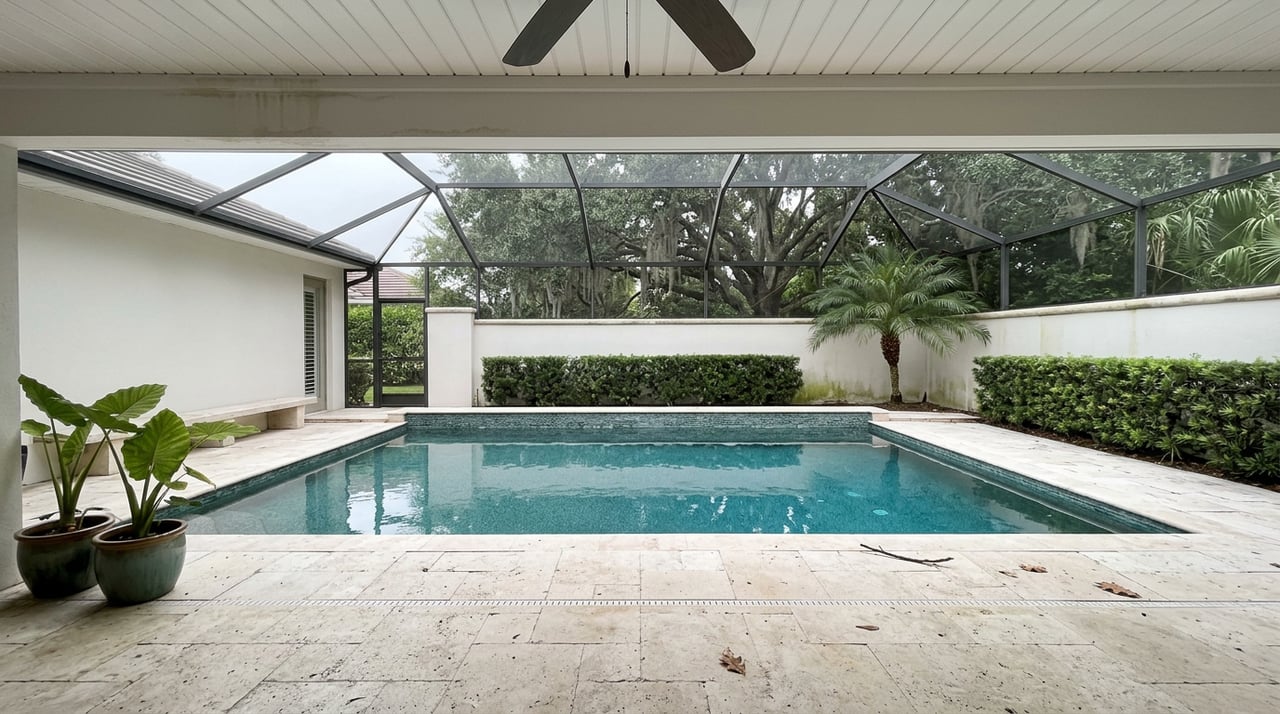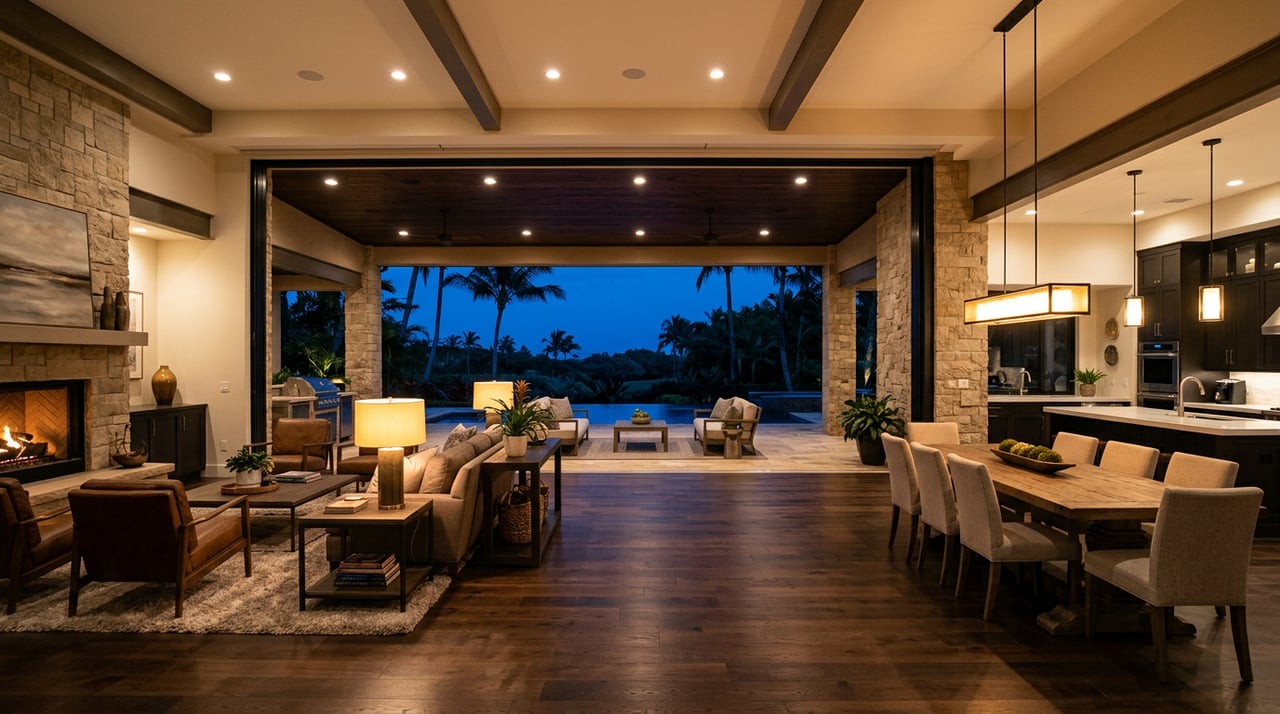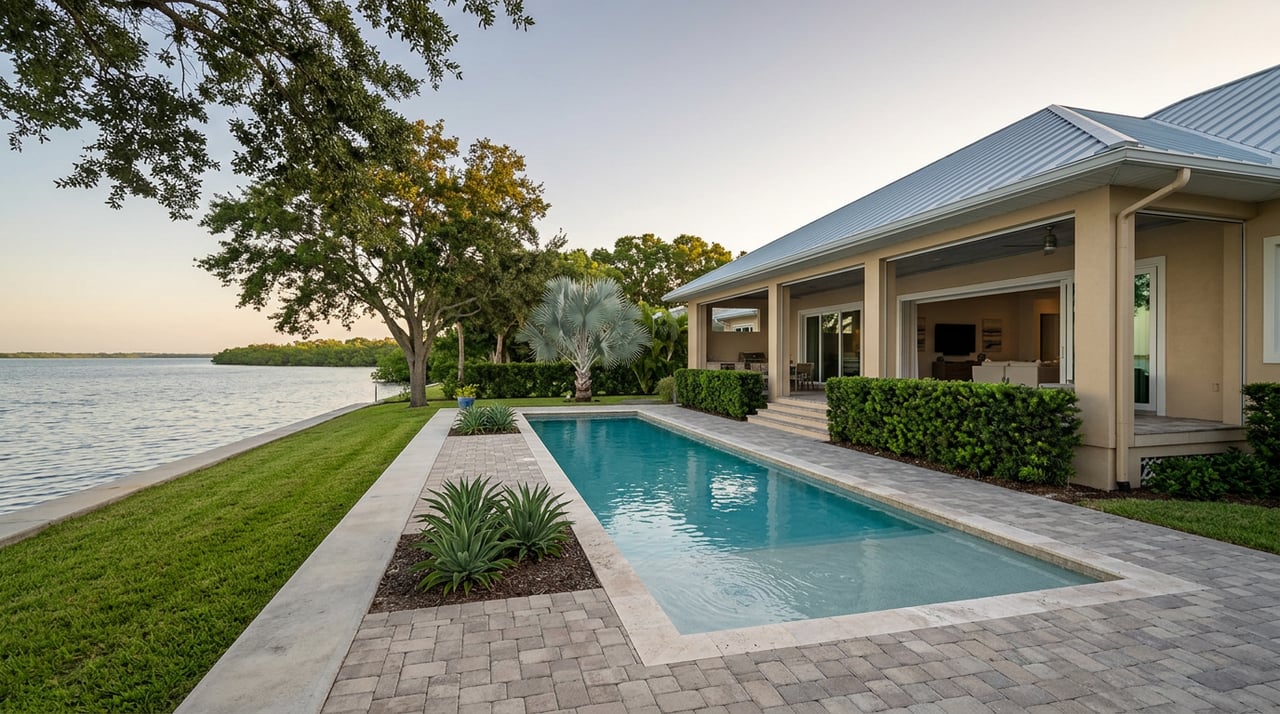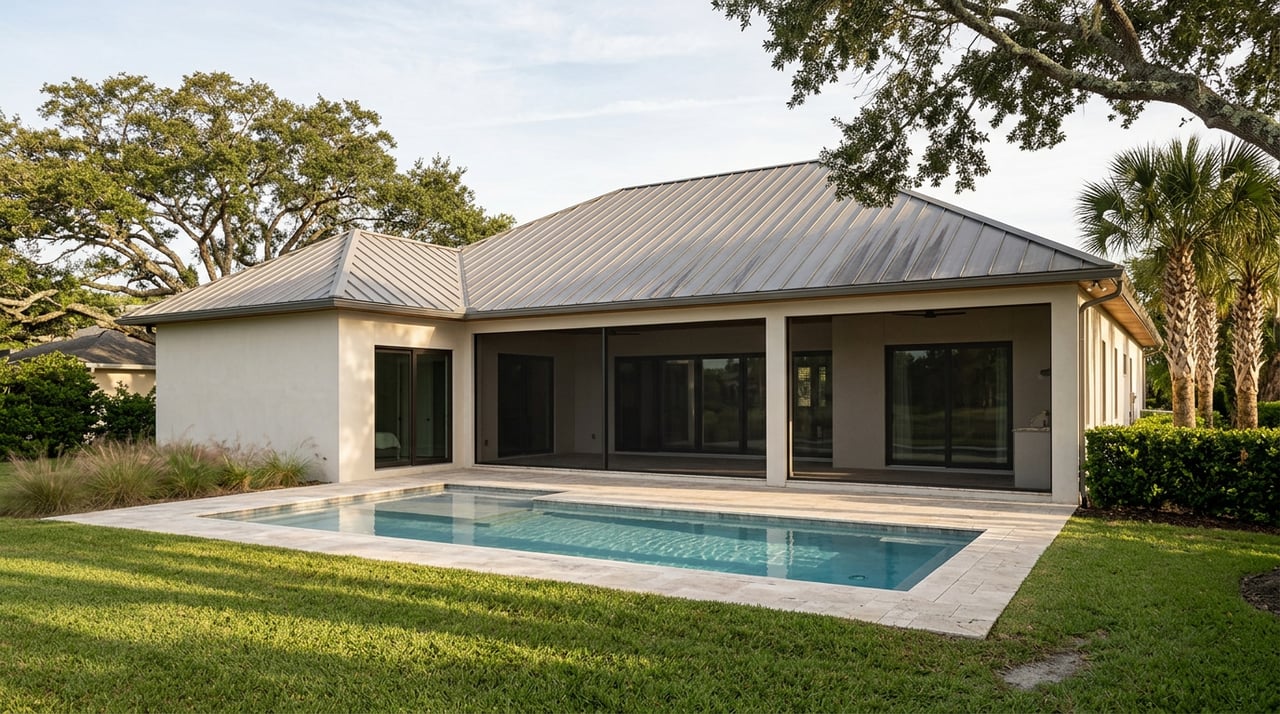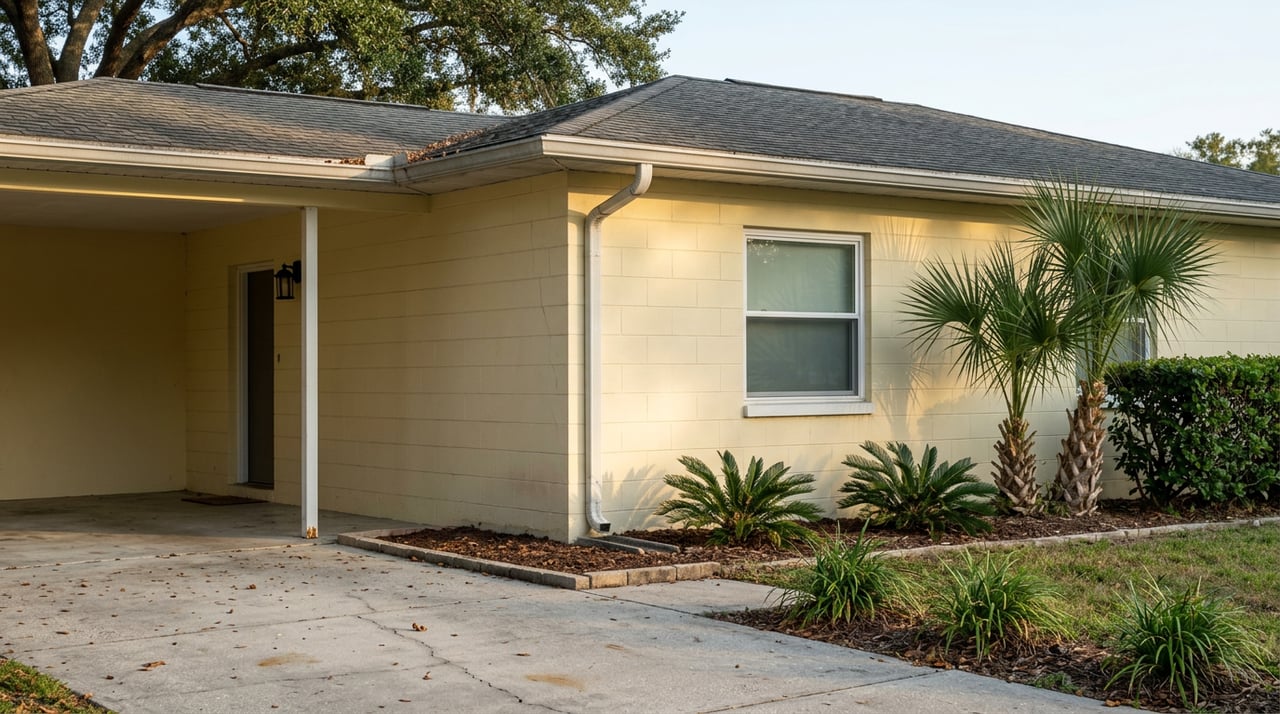
Picture two three-bedroom homes in Bradenton listed at the same price. One sits a few blocks from downtown in Old Palm Village, roof original to a 1962 build. The other sits in a subdivision closer to the Lakewood Ranch line, roof installed in 2019. Same bedroom count, same square footage, same asking price on the sign.
They stop being the same listing the moment a buyer's lender opens a file with an underwriter. One clears insurance review in a matter of days. The other can stall for weeks, or force a buyer to walk, because of a single number neither the listing photos nor the price history ever mention: how old the roof actually is.
That gap is not a Bradenton quirk invented by insurers being difficult. It is written into Florida law, layered with a county-level inspection threshold, and it happens to split this city almost exactly along the line between its older core neighborhoods and its newer growth corridor. Sellers who understand where that line falls, and who get ahead of it before listing, keep more of their buyer pool intact than sellers who wait for a lender to find it for them.
The Line Written Into State Law
Florida Statute 627.7011 sets a floor, not a ceiling. Under that law, an insurer cannot refuse to issue or renew a homeowners policy solely because a roof is less than fifteen years old. Cross fifteen, and the insurer gains real leverage: it can require an inspection before binding or renewing coverage. If a roof fails that inspection outright, the insurer can require repairs or a full replacement.
There is an exception built into the same statute, and it is the part most homeowners never hear about until they need it. If a roof is fifteen years or older and a licensed, authorized inspector certifies that it has at least five years of remaining useful life, the insurer cannot drop the policy on age alone. That certification, not the calendar, is what keeps a fifteen-, eighteen-, or twenty-year-old roof insurable.
Getting that certification used to mean hiring an engineer or a specialty inspector. House Bill 1611, effective July 2024, expanded who counts as an "authorized inspector" to include licensed roofing contractors, alongside home inspectors, general contractors, and engineers. That change matters for a market like Bradenton's, where a lot of roofs are exactly old enough to need the paperwork: it is now realistic to call a licensed local roofer, not just a specialty firm, and walk away with a document a lender will accept.
Where Bradenton Sits on Its Own Timeline
The reason this law lands differently in different parts of the same city comes down to when the roofs went up. Bradenton's median year of construction across the city is 1986, which means half its housing stock is already deep into a second or even third roofing cycle. Neighborhoods like Old Palm Village and Wares Creek, both built out mainly in the 1950s and 1960s, and the Bradenton Village and Edgewood area, developed largely between 1940 and 1969, sit well on the older side of that median. A licensed local roofer working these neighborhoods will tell you plainly that a lot of these roofs have long since passed their design life, whatever condition they happen to be in today.
Contrast that with the growth corridor running toward Lakewood Ranch and Parrish, where Manatee County permitted 11,015 new housing units in 2025 alone. Homes built after the 2002 update to the Florida Building Code qualify for wind mitigation credits on the standard OIR-B1-1802 inspection form, a credit that stays valid for five years. Those newer roofs are not just younger. They were engineered under a stricter wind-resistance standard from the start, which is exactly the kind of feature an underwriter rewards without a second look.
The same list price in these two parts of Bradenton is not carrying the same insurance risk, and buyers researching either neighborhood on their own rarely find that out until they are already under contract.
The Second Gate Most Sellers Don't See Coming
Roof age is the first checkpoint. The four-point inspection is the second, and it catches people off guard for a different reason: it is not really about the roof at all. A four-point inspection covers the roof, electrical system, plumbing, and HVAC, and insurers active in Manatee County generally require it once a home passes twenty-five years old. That threshold is enforced closely in Bradenton, along with Holmes Beach and Parrish, precisely because hurricane exposure accelerates wear on all four systems at once, not just shingles.
This is where an older Bradenton home can carry a roof in reasonable shape and still stall a closing, because the same inspection that flags a fading roof also turns up an aging electrical panel or original plumbing that a buyer never asked about and a seller stopped noticing years ago. When that inspection happens mid-underwriting, on the buyer's timeline, there is no room to negotiate calmly. When it happens before a home ever hits the market, on the seller's timeline, there is.
Why the Official Rule Is Kinder Than What Most Buyers Actually Experience
Here is the part that surprises even sellers who have already heard about the fifteen-year rule: the statute is more generous than what plays out in practice. Citizens Property Insurance, Florida's insurer of last resort, is one of the only carriers to publish its own roof-age caps outright, and those caps are material-specific. Citizens allows tile, slate, clay, concrete, and metal roofs to go up to fifty years before requiring full replacement documentation, and shingle roofs up to twenty-five.
But Citizens is no longer the carrier writing most Bradenton policies. Its book in Manatee County has shrunk sharply, down to roughly 5,700 personal residential policies as of the end of May 2026, a fraction of what it once carried, as part of a statewide depopulation effort that shifted more than 546,000 policies to private carriers in 2025 alone. That means most Bradenton buyers today are underwritten by carriers such as Tower Hill, American Integrity, or Heritage, and private carriers are free to layer their own, often stricter, internal guidelines on top of the statutory floor. Some will decline new business on a shingle roof well before it reaches Citizens' published twenty-five-year line, regardless of documented condition.
The practical result: a seller who assumes their roof is fine because it technically meets Citizens' cap can still watch a buyer's private insurer decline coverage outright.
Getting Ahead of It Before You List
None of this requires guessing. A seller of an older Bradenton home can work through this in a fixed order, well before a buyer ever walks through the door:
- Confirm the roof's actual installation date through permit records or the Manatee County Property Appraiser's file rather than memory, since sellers are frequently off by several years in either direction.
- If the roof is fifteen years or older, commission a roof certification from an authorized inspector, now including licensed roofing contractors under HB 1611, and document the remaining useful life in writing before the home is listed.
- If the home is twenty-five years or older, schedule a four-point inspection proactively rather than waiting for a buyer's insurer to order one mid-transaction. If it turns up an aging panel or original plumbing, that becomes a known, priced item instead of a last-minute surprise.
- Price the home against its documented condition, not just its neighborhood comps. A completed roof certification in the listing packet gives a buyer's lender something concrete to underwrite against from day one.
This is the kind of groundwork that pairs directly with an appraisal-informed pricing approach: knowing what a home is actually worth means knowing what condition it is actually in, roof included, before a number ever goes on the sign.
A Few Questions Worth Settling Upfront
Does a roof over fifteen years automatically need to be replaced? No. The statute does not require replacement at any specific age. It requires an insurer to accept a certified inspection showing at least five years of remaining useful life instead of forcing a replacement, as long as that certification exists.
Does the fifteen-year rule apply the same way to a tile or metal roof as it does to shingles? The statutory floor is the same, but in practice, carriers treat materials very differently. Citizens' own published guidelines allow tile, slate, and metal up to fifty years before requiring replacement documentation, compared with twenty-five for shingle, and many private carriers follow a similar pattern.
Is a four-point inspection the same thing as a wind mitigation inspection? No. A four-point inspection assesses the condition of the roof, electrical, plumbing, and HVAC systems and is typically required once a home reaches a certain age. A wind mitigation inspection documents hurricane-resistant features like roof-to-wall connections and impact openings, and it is what earns a premium discount rather than satisfying an age requirement.
If you are weighing whether to list an older Bradenton home this year, the roof and its paper trail are worth settling before the sign goes in the yard, not after an offer comes in. Carolyn Yates works through exactly this kind of pre-listing groundwork with sellers across Bradenton and the surrounding Gulf Coast, pairing appraisal-based pricing with the vendor coordination it takes to have documentation ready before a buyer's underwriter ever asks for it. Let's Connect.