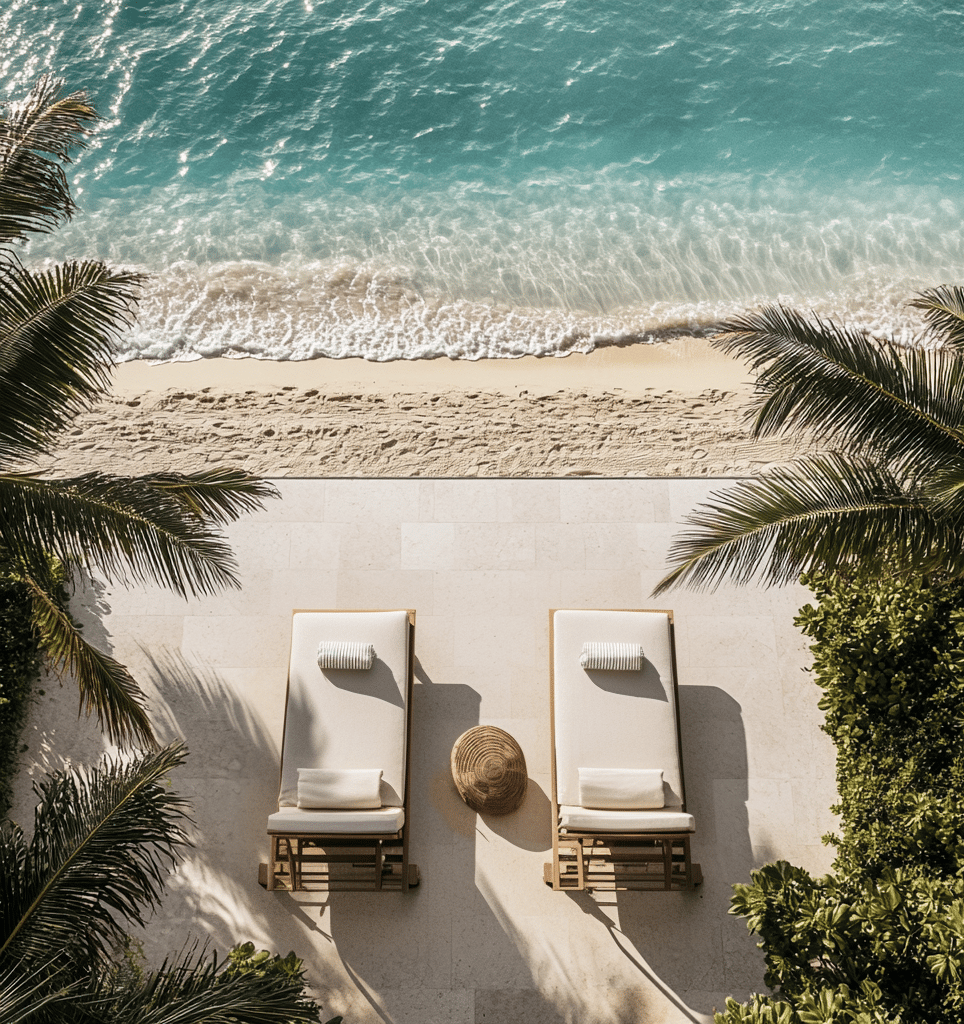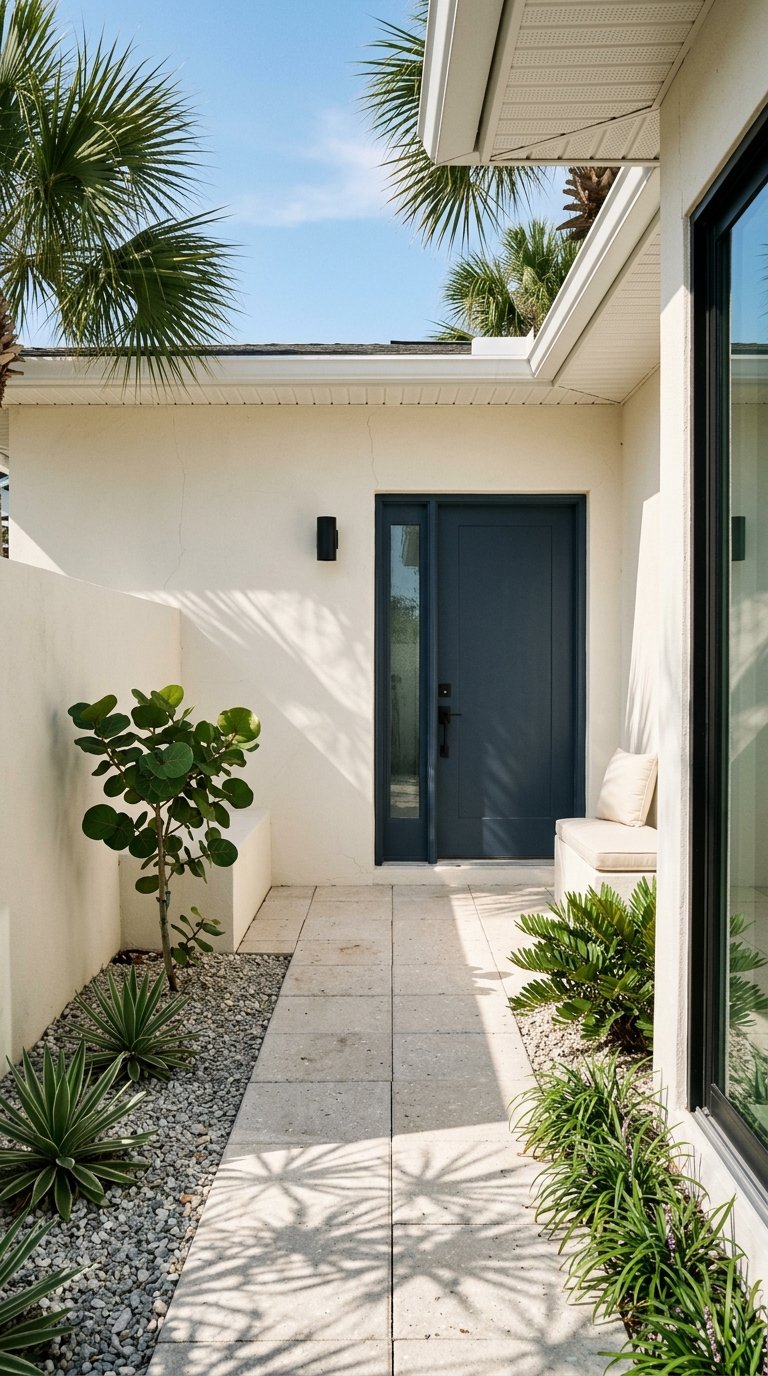
If Nokomis already feels like your winter reset button, you are not alone. With easy access to Nokomis Beach, North Jetty Beach, the Legacy Trail, and Oscar Scherer State Park, this area naturally appeals to seasonal residents who want outdoor time and a lower-maintenance coastal lifestyle. The bigger question is not whether Nokomis is appealing. It is whether renting first or buying now makes more sense for how you plan to live here. Let’s dive in.
Why Nokomis Works for Seasonal Living
Nokomis sits between Sarasota and Venice, which gives you a convenient Gulf Coast location without making the seasonal lifestyle feel overly complicated. Visit Sarasota County highlights nearby outdoor assets like Nokomis Beach, North Jetty Beach, the Legacy Trail, and Oscar Scherer State Park, all of which support the kind of part-year living many snowbirds want.
That matters because seasonal living in Nokomis is often less about daily urban convenience and more about access to the beach, outdoor recreation, and a home base that feels easy to lock up and return to. If your goal is to spend winter months near the coast and keep life simple, Nokomis fits that pattern well.
Rent First If You Need Flexibility
Renting first usually makes the most sense when you are still figuring out your routine, your preferred location, or your comfort level with ownership costs. If this is your first season in Nokomis, a rental can give you time to learn how often you will actually use the home and what kind of property feels right.
The Consumer Financial Protection Bureau notes that renters often value flexibility and may not be ready for the financial or maintenance responsibilities of homeownership. For seasonal buyers, that flexibility can be especially valuable if you are still deciding between a condo, villa, or single-family home.
Renting can also help you test your lifestyle assumptions. You may think you want to be as close as possible to the beach, then realize you care more about trail access, easier parking, or a quieter setup for longer winter stays.
Signs Renting First May Be Smarter
- You are new to Nokomis and still learning the area
- You are unsure how many weeks or months you will use the property each year
- You want to avoid maintenance responsibilities for now
- You are not ready to commit cash to down payment and closing costs
- You may change your seasonal plans in the next year or two
If several of those sound familiar, renting first can be a practical way to gather real-world information before you buy.
Buy Now If Nokomis Is Already Part of Your Plan
Buying now becomes more compelling when you know Nokomis will be part of your routine for years to come. If you expect to return every winter, want a consistent home base, and are ready for the costs that come with ownership, buying may better match your goals.
The Consumer Financial Protection Bureau notes that homeownership can help build equity and may offer more stable housing costs over time. That can matter if you are comparing recurring seasonal rent payments against the long-term value of owning a property you plan to use regularly.
For many snowbirds, the biggest benefit is control. You can leave your furnishings in place, keep your storage organized, and return to a home that is set up the way you like it each season.
Signs Buying Now May Be Smarter
- You expect to spend every winter in Nokomis
- You want a predictable home base near the coast
- You are comfortable with ongoing carrying costs
- You want to build equity instead of paying rent each season
- You have already narrowed down the type of property and location that fit your lifestyle
Fannie Mae’s second-home guidance also helps frame what a classic seasonal property looks like. A second home is generally occupied by the borrower for some portion of the year and must be suitable for year-round occupancy. That is a different use case than buying purely as an investment or short-term rental play.
Compare the Real Cost, Not Just the Payment
The rent-versus-buy decision gets clearer when you compare the full cost of ownership, not just a mortgage payment. Up-front costs for buyers often include a down payment and closing costs. The Consumer Financial Protection Bureau estimates closing costs commonly run about 2% to 5% of the purchase price, though the exact amount varies.
After closing, your monthly carrying costs may include principal and interest, property taxes, homeowners insurance, utilities, maintenance, and any HOA or condo dues. If the property sits empty for part of the year, those fixed costs still continue.
This is where seasonal buyers can get tripped up. A property that looks affordable on the listing price alone may feel very different once you add insurance, association fees, and maintenance into the picture.
Key Costs to Model Before Buying
- Down payment
- Closing costs
- Property taxes based on your ownership, not the seller’s bill
- Homeowners insurance
- Flood insurance if required
- HOA or condo dues
- Utilities and routine maintenance
- Possible special assessments for condos or associations
Florida Taxes and Insurance Need a Closer Look
In Sarasota County, property taxes should be estimated based on the new ownership date and your likely tax status, not the seller’s current tax bill. The Sarasota County Property Appraiser states that property is valued as of January 1 each year, and prior exemptions, caps, and discounts do not automatically transfer after a sale.
That point matters a lot for seasonal buyers. If you are looking at a seller’s low tax bill and assuming your taxes will look the same, your budget could be off.
Homestead is another area where seasonal owners should be careful. The Florida Department of Revenue says the homestead exemption applies when the owner makes the property his or her permanent residence, and Sarasota County notes a January 1 qualification date with a March 1 filing deadline. For most seasonal-only owners, that generally means you should not assume homestead will apply.
Insurance also deserves early attention, especially near the coast. The Consumer Financial Protection Bureau notes that flood insurance may be required in FEMA-designated Special Flood Hazard Areas, and FEMA says most homeowners insurance does not cover flood damage. Before you buy, it is wise to understand flood zone status and get insurance quotes based on the specific property.
Property Type Can Change the Answer
The right decision can shift depending on whether you are considering a condo, villa, or single-family home. Seasonal living is not one-size-fits-all, and each property type affects your time, costs, and responsibilities.
Condos and Villas for Low-Maintenance Living
Condos often appeal to seasonal residents because they can reduce exterior maintenance and simplify lock-and-leave living. That convenience can be a strong advantage if you are only in town part of the year.
But in Florida, condo due diligence is especially important. The Florida Department of Business and Professional Regulation says many associations must complete structural integrity reserve studies and milestone inspections under state law. Florida condo sale contracts must also include disclosures about association documents, budgets, financial statements, and, when applicable, milestone and reserve-study materials.
For you, that means the true cost of a condo may depend as much on the association as on the mortgage. Monthly dues, reserve funding, insurance, and potential special assessments can all affect whether buying still makes sense.
Single-Family Homes for Control and Privacy
Single-family homes usually give you more control over storage, furnishing choices, and future updates. If you want a property that feels fully your own each season, that can be a major plus.
The tradeoff is maintenance. The Consumer Financial Protection Bureau notes that homeowners need to budget for repairs and upkeep in addition to taxes and insurance. For a seasonal owner, that means you should think through who will handle issues while you are away.
If You Might Rent It Out, Check the Tax Impact
Some seasonal buyers plan to use the home personally and rent it out during other parts of the year. If that is part of your plan, the math becomes more complex.
IRS Topic 415 and Publication 527 explain that tax treatment changes based on how many days you use the property personally versus how many days it is rented. In other words, occasional rental use can affect the financial picture in ways that are worth reviewing before you buy.
This does not automatically mean buying is the wrong move. It simply means you should evaluate the property based on your real use pattern, not a best-case assumption.
A Practical Way to Make the Decision
If you are torn between renting first and buying now, keep the decision focused on usage and fixed costs. In Nokomis, the lifestyle appeal is usually easy to understand. The harder part is deciding how often you will truly be here and how much year-round cost you are comfortable carrying.
A simple decision framework can help:
Choose Renting First If
- You are still testing Nokomis as a seasonal base
- You want time to compare beach access, trail access, and daily convenience
- You are unsure how often you will return each year
- You want less responsibility during the off-season
Choose Buying Now If
- You already know Nokomis fits your winter lifestyle
- You want consistency and control each season
- You are ready for ownership costs and due diligence
- You plan to return often enough for ownership to feel worthwhile
Public online trackers suggest Nokomis pricing and rents can move around depending on the metric used. One recent snapshot showed a median sale price of $367,000 and median rent around $2,800 per month, with 122 rentals available. Those figures are directional, not exact, but they still reinforce the value of comparing your expected use against the real cost of ownership.
A smart next step is to run your numbers using the type of property you actually want, whether that is a condo near the beach, a villa with lower upkeep, or a single-family home with more privacy and space. That kind of property-specific analysis usually gives you a much clearer answer than broad market averages alone.
If you want a clear-eyed, local perspective on seasonal buying in Nokomis, Carolyn Yates can help you weigh the numbers, review property options, and make a decision that fits how you plan to live.
FAQs
Should seasonal buyers in Nokomis rent first before buying?
- Renting first often makes sense if you want flexibility, are still learning the area, or are unsure how often you will use a property each year.
Does a seasonal home in Nokomis qualify for Florida homestead?
- Usually not, unless the property becomes your permanent residence and you meet the state and county qualification rules.
What costs matter most when buying a seasonal home in Nokomis?
- The biggest costs to review are closing costs, property taxes, homeowners insurance, possible flood insurance, HOA or condo dues, maintenance, and any special assessments.
Are condos in Nokomis a good fit for snowbirds?
- Condos can work well for snowbirds who want lower exterior maintenance, but you should carefully review association budgets, reserves, insurance, and inspection or reserve-study disclosures.
Should I use the seller’s tax bill to estimate costs on a Nokomis home?
- No. In Sarasota County, prior exemptions and caps may not transfer after a sale, so taxes should be estimated based on your likely ownership situation.
What if I want to use a Nokomis home seasonally and rent it part of the year?
- The tax treatment can change depending on how many days you use the home personally versus how many days it is rented, so that plan should be reviewed early in your decision process.