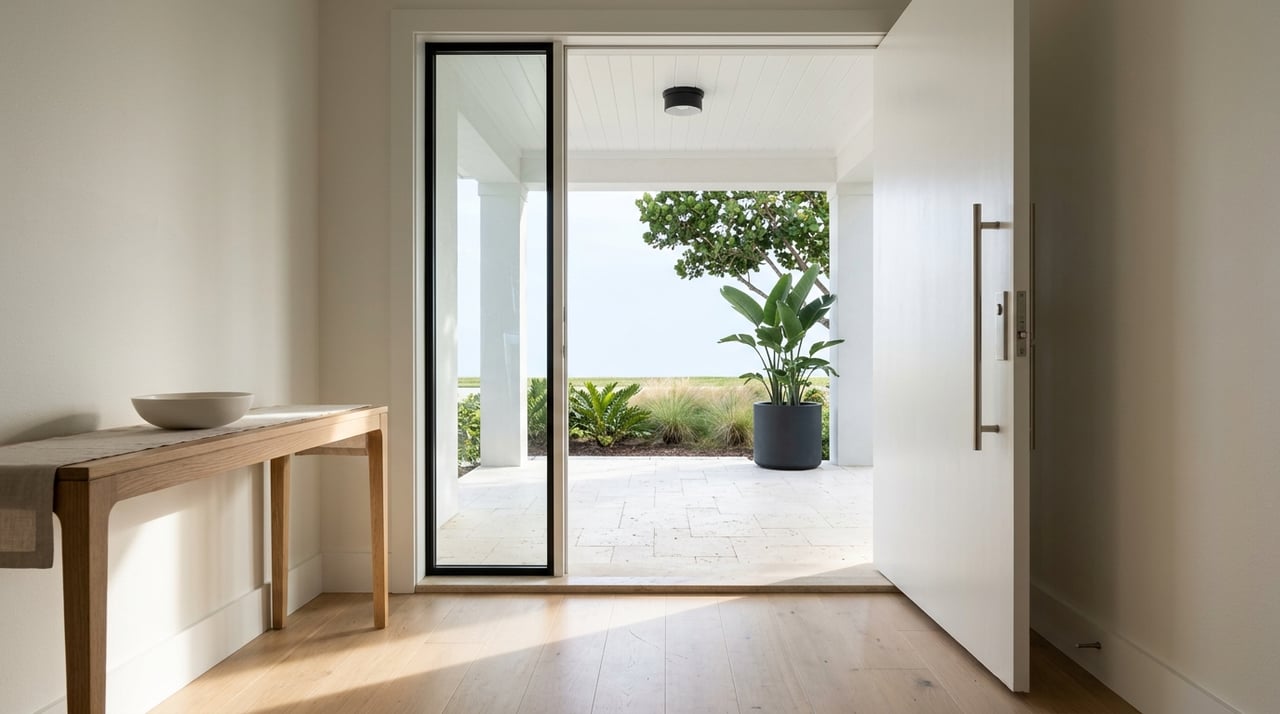
Selling a Casey Key home from out of state can feel like trying to manage a moving target from hundreds of miles away. You want the property to show well, be priced correctly, and move smoothly through closing, but you may not be there to meet vendors, open doors, or catch last-minute details. The good news is that with the right local plan, a remote sale can be both efficient and secure. Here’s how to approach a Casey Key sale with less stress and more control.
Why Casey Key needs a local plan
Casey Key is not a typical Sarasota County market. Visit Sarasota County describes it as a narrow, isolated, exclusive barrier-island enclave near Nokomis, with the majority of homes priced at the million-dollar-plus level. That luxury, waterfront, and second-home character means buyers often expect polished presentation, strong visuals, and a very intentional launch.
The island’s setting also affects logistics. Casey Key access is limited, including the area’s one-lane drawbridge, and Sarasota County is actively managing road repairs and closures through 2027. If you are selling remotely, that means showings, inspections, contractor visits, and photography often need more coordination and lead time than they would on the mainland.
Start with Casey Key pricing, not county averages
One of the biggest mistakes remote sellers can make is relying on broad county numbers to price a highly specific coastal property. RASM’s year-end 2025 report shows Sarasota County single-family homes had a median sale price of $474,700, 4.7 months of supply, and sellers received 93% of original list price. That is useful background, but it is not a pricing formula for a Casey Key home.
RASM also notes that conditions vary by neighborhood and property type. On Casey Key, pricing should be built around recent luxury and barrier-island comparables, not countywide medians. If your home has waterfront exposure, beach proximity, unique access factors, or a specific lot orientation, those details can materially affect value.
For a remote seller, this matters even more because your pricing strategy sets the tone before the first buyer ever steps onto the property. A valuation-driven launch can help you avoid chasing the market, overpricing a niche asset, or leaving money on the table.
Make the first showing digital
When you are not local, your first showing is often not in person. It is the buyer’s first impression online.
That is why presentation matters so much on Casey Key. According to the National Association of Realtors 2025 Profile of Home Staging, 83% of buyers’ agents said staging made it easier for buyers to envision the property as their future home. The same report found that 49% of agents said staging reduced time on market, and 29% saw a 1% to 10% increase in offer value.
For remote sales, those numbers support a clear strategy: prepare the home for photos, video, and virtual tours before the listing goes live. Strong visuals help overcome distance, especially for second-home buyers or purchasers who may start their search from outside Florida.
Focus on the highest-impact spaces
NAR reports that the rooms most often staged are the living room, primary bedroom, dining room, and kitchen. Those spaces tend to carry the emotional weight of a listing and often shape whether a buyer wants to see more.
If your Casey Key home is vacant, lightly furnished, or used seasonally, those rooms deserve special attention. Clean lines, reduced clutter, and simple, well-scaled furnishings can help buyers focus on the home itself rather than on distractions.
Build a visible punch list
Even when full staging is not part of the plan, the NAR report shows that many sellers’ agents still recommend decluttering and correcting visible faults. For a remote homeowner, that means creating a short pre-launch list that is easy to manage from afar.
Your punch list may include:
- Deep cleaning
- Decluttering and removing personal items
- Minor handyman repairs
- Touch-up paint where needed
- Landscaping refresh
- Window and glass cleaning
- Pool or exterior tidying if applicable
- Final styling before photography
This is where hands-on local coordination becomes valuable. Instead of trying to manage five or six vendors by text and email, you can work from one organized plan with clear priorities and deadlines.
Plan for access and timing early
On Casey Key, logistics are not a small detail. They are part of the sales strategy.
With ongoing county road work and closures, plus the island’s limited access points, it is smart to build extra time into every step. That includes cleaners, stagers, photographers, inspectors, appraisers, and any repair professionals who need to enter the property.
If you are out of state, try to make key decisions early rather than in reaction mode. That includes approving a prep budget, choosing which improvements are worth doing, confirming who has access to the property, and setting expectations for how updates will be shared.
A simple remote-selling workflow
A smooth remote Casey Key sale often follows this sequence:
- Property review and pricing analysis based on recent hyper-local comps
- Prep plan for decluttering, repairs, cleaning, and staging priorities
- Vendor scheduling with island access and closure timing in mind
- Photography, video, and virtual-tour production
- Listing launch with polished digital marketing assets
- Showing and feedback management
- Inspection and repair coordination if needed
- Remote closing preparation with secure document and wire procedures
This kind of process helps reduce stress because each step has a purpose. You are not just reacting to the market. You are guiding the property from preparation to closing in a controlled way.
Remote closing is possible in Florida
Florida law is generally favorable to remote closings. Under Florida’s Uniform Electronic Transaction Act, electronic signatures can carry the same legal effect as written signatures, and electronic records cannot be denied legal effect simply because they are electronic.
Florida law also supports electronic recording for real-property documents. The state’s recording framework allows writing and signature requirements to be satisfied electronically, which is a major reason many sellers can complete transactions without returning to Florida just to sign paper documents.
Online notarization adds flexibility
Florida also allows online notarization. Under Florida statute 117.265, a Florida online notary can notarize documents using audio-video communication even when the signer or witnesses are located elsewhere, so long as the legal requirements are met.
The Florida Department of State explains that remote online notarization depends on approved technology, identity proofing, electronic certificates, and stored recordings. In practice, that system is what helps many out-of-state sellers complete a closing from home or while traveling.
Florida’s recording statute also provides support for electronically recorded documents accepted by the clerk, even if certain technical defects later come up in electronic-signature or notarization compliance, as outlined in section 695.28. That does not remove the need for careful review, but it should reassure you that the state’s system is built to accommodate digital closings.
Protect yourself from wire fraud
A remote closing is convenient, but it still requires caution. The Consumer Financial Protection Bureau warns that closing-time phishing scams often involve fake wiring instructions sent by someone pretending to be a real estate or settlement professional.
The safest approach is simple. Identify two trusted contacts early in the process and verify any wiring instructions using known phone numbers, not email alone. If a message creates urgency, changes instructions at the last minute, or asks you to bypass normal verification, stop and confirm before taking action.
Smart remote-closing habits
Use this checklist as you get closer to closing:
- Confirm the names and direct phone numbers of your trusted closing contacts
- Review the closing package early
- Verify all wire instructions by phone using a known number
- Avoid acting on last-minute email-only changes
- Keep your identification documents readily available
- Ask questions right away if a document or request looks unfamiliar
Remote closings work best when convenience is matched with careful document control.
What out-of-state Casey Key sellers should prioritize
If you are preparing to sell from afar, keep your focus on the factors that most affect outcome:
- Accurate pricing based on recent Casey Key and barrier-island comps
- Strong presentation before the listing goes live
- Local oversight for vendors, access, and prep details
- Extra scheduling lead time due to island access and road work
- Secure closing procedures for documents and funds
In a market like Casey Key, details matter. Buyers notice presentation. Timing affects momentum. And because the property is in a highly specific coastal setting, local execution can shape both the sale experience and the final result.
If you are selling a Casey Key property while living elsewhere, a clear plan can make the process feel much more manageable. From pricing and prep to vendor coordination and remote closing logistics, the goal is to keep every moving piece organized so you can make good decisions without being on site. If you want a valuation-minded, hands-on approach to your Gulf Coast sale, Carolyn Yates is here to help.
FAQs
How can you sell a Casey Key home while living out of state?
- You can sell remotely by using a local plan for pricing, property prep, vendor coordination, digital marketing, and closing, with Florida laws allowing electronic signatures and online notarization in many cases.
Why does Casey Key pricing need local comparables?
- Casey Key is a luxury barrier-island market, so countywide Sarasota median prices are only general context and should not replace recent Casey Key or similar coastal comparable sales.
What matters most when preparing a remote Casey Key listing?
- The biggest priorities are decluttering, correcting visible issues, coordinating high-quality photos and video, and making sure key rooms like the living room, primary bedroom, dining room, and kitchen show well.
Can you close on a Florida home sale without returning to Florida?
- In many cases, yes, because Florida law recognizes electronic signatures, electronic records, and online notarization when legal requirements are followed.
What is the biggest security risk in a remote home sale?
- One of the biggest risks is wire fraud, so you should verify wiring instructions through trusted phone numbers and never rely on email alone for fund-transfer details.
How do road projects affect a Casey Key home sale?
- Ongoing county repairs and closures can affect access, so remote sellers should allow more lead time for showings, inspections, photography, and vendor visits.